What Parking Lot Paving In Charlotte Involves
Parking lot paving in Charlotte, NC is more than laying down blacktop. It is a full build process that starts with understanding how your property moves traffic, handles drainage, and supports the weight of vehicles that use the lot every day. At RoadReady Asphalt Charlotte, the goal is to create a smooth, durable surface that supports your business, looks professional, and holds up to local weather and traffic patterns.
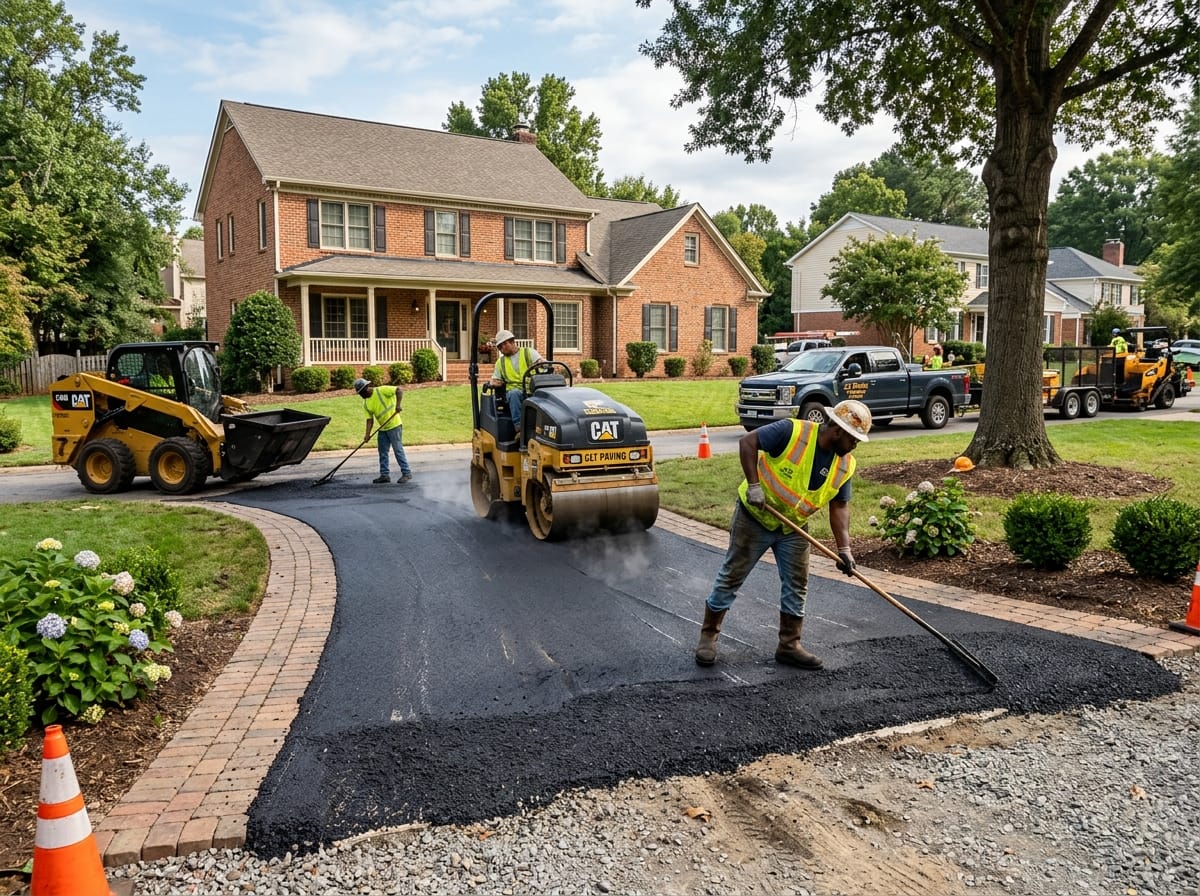
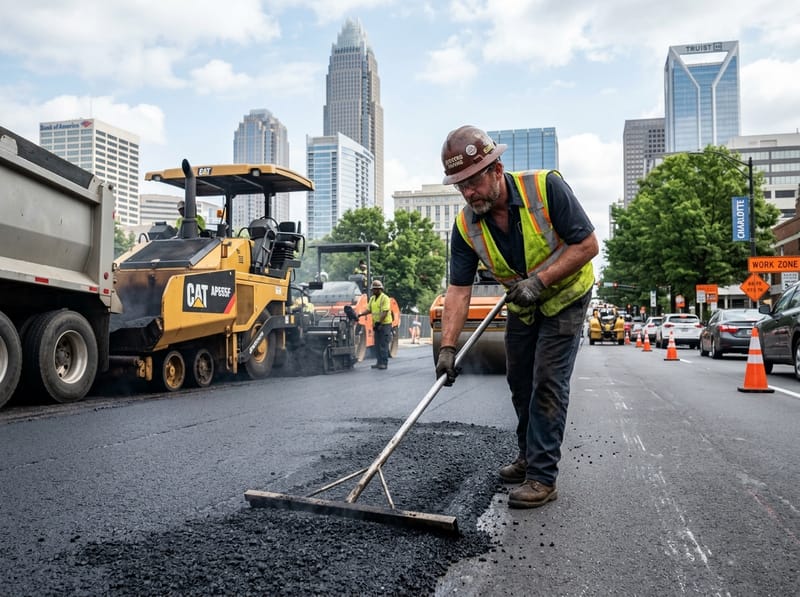
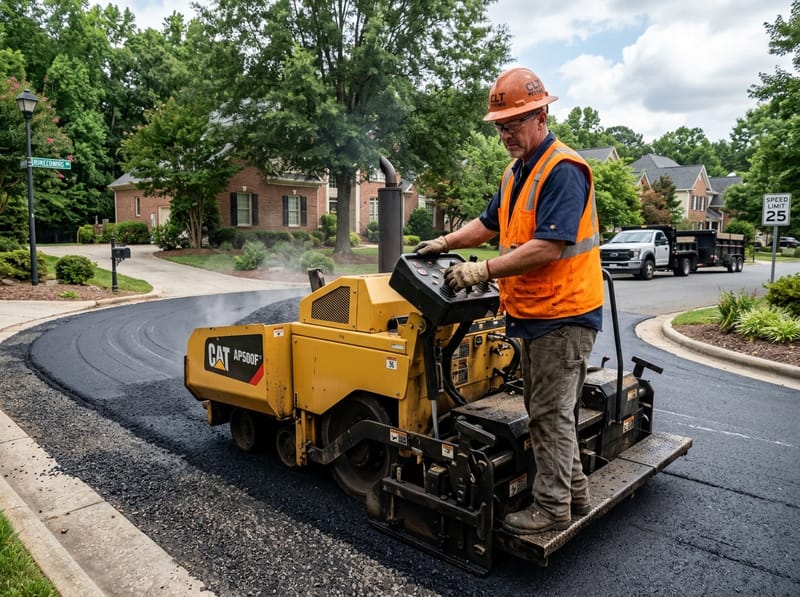
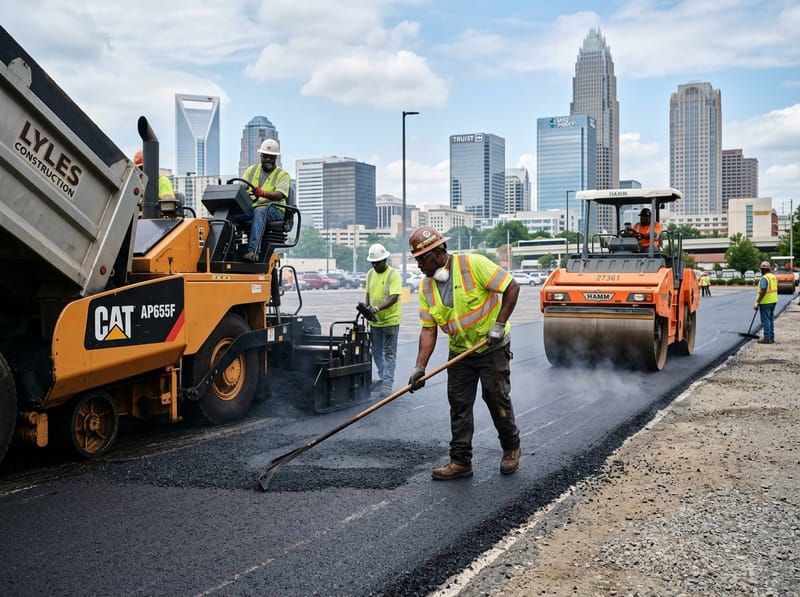
The work usually begins with a site review so the layout, slope, drainage, and access points are clear before the first machine moves in. From there, the crew prepares the area, shapes the base, and makes sure the ground is ready to support the asphalt layer. Once the foundation is set, hot mix asphalt is placed, spread, and compacted with careful attention to thickness, smoothness, and edge quality.
- Site layout and planning: The team reviews circulation, entry points, loading areas, and striping needs so the finished lot supports how your property actually works.
- Base preparation: Soft spots, unstable areas, and old material are removed or corrected so the new pavement has a stable foundation.
- Grading and drainage shaping: The surface is shaped so water moves away from the pavement instead of sitting on top of it.
- Asphalt placement: Premium materials are installed with careful spreading and compaction to create a dense, even surface.
- Finishing and cleanup: Edges are cleaned up, transitions are checked, and the site is prepared for striping and reopening.
When the work is done well, your lot does not just look better. It performs better. You get a surface that supports customer parking, delivery traffic, and daily operations with fewer headaches and a cleaner first impression.
When You Need Parking Lot Paving
You may need parking lot paving in Charlotte when the surface is no longer safe, smooth, or practical for your property. Warning signs often show up slowly. Small cracks spread, water starts collecting after rain, the surface feels rough, and patch repairs stop blending in with the rest of the pavement.
In many cases, business owners notice the problem before a full failure happens. Vehicles bounce more than they should, striping fades, edges crumble, or potholes begin to form in the main driving lanes. Those issues are more than cosmetic. They can create trip hazards, slow down traffic, and send the wrong message to customers the moment they arrive.
Parking lot paving is also the right choice when you are opening a new location, expanding an existing property, or rebuilding a lot that has too many failing patches to keep repairing. If you want a surface that gives visitors a smooth approach and helps your property feel organized and cared for, a new asphalt lot is often the smartest move.
- Visible cracking: Cracks that keep spreading usually signal that the surface and base are no longer working together properly.
- Standing water: Puddles point to grading or drainage problems that can shorten pavement life.
- Potholes or sinking areas: These often mean the support below the asphalt has weakened.
- Faded or broken striping: When markings are hard to see, traffic flow becomes less clear and less safe.
- Frequent patching: If repairs keep showing up in the same places, replacement may be the better solution.
If you are comparing options for parking lot paving in Charlotte, a good rule is simple: when the lot makes daily operations harder instead of easier, it is time to act.
Why Parking Lot Problems Happen
Parking lot problems usually come from a mix of water, movement, heat, and wear. Asphalt is durable, but it still depends on a solid foundation and proper drainage. If the base below the pavement shifts or weakens, the surface above it starts to show stress through cracks, dips, and surface breakdown.
Charlotte weather plays a role too. Heat softens asphalt slightly, heavy rain pushes water into weak spots, and repeated traffic slowly presses the surface down. Delivery trucks, turning tires, and sharp braking can speed up wear in busy areas. Over time, small issues become larger ones when the pavement is not maintained or when the original installation did not account for the actual load on the lot.
Another common cause is poor drainage. If water cannot move off the surface quickly, it sits in low spots and works its way into seams, cracks, and edges. Once that happens, the pavement starts to break down from the inside out. That is why a strong parking lot is built from the ground up, not just on top of the ground.
Common causes of failure include the following:
- Weak or poorly compacted base material: If the support layer is unstable, the asphalt above it will move and crack.
- Drainage issues: Water that pools on the lot or along the edges can damage the structure below the surface.
- Heavy traffic patterns: Repeated turning, stopping, and loading creates more stress in the same areas.
- Old patches and prior damage: Temporary fixes can mask the problem for a while, but they do not always solve the root cause.
- Lack of maintenance: Small cracks and surface openings let water in and make future damage more likely.
Understanding the cause matters because the fix should match the problem. If the base is sound, a resurfacing or repair approach may work. If the foundation is failing, parking lot paving in Charlotte should be designed as a rebuild so the new surface has a better chance to last.
What Affects Cost
The cost of parking lot paving in Charlotte depends on the condition of your site, the amount of prep work required, and the details that shape the final build. There is no honest way to price a lot without looking at the surface, the base, the drainage, and the access around the property. A lot that only needs a clean rebuild costs differently than a lot that also needs removal, grading corrections, or structural repair below the pavement.
One of the biggest factors is how much existing material has to come out before new asphalt can go in. If the surface is failing in several places, the crew may need to remove old pavement, rebuild the base, and correct low spots before paving. Another major factor is drainage. If water moves toward the building, sits in parking stalls, or collects in drive lanes, the site may need more shaping and support work before the finish layer is placed.
Access also affects the work. Busy commercial properties often need a plan for customer entry, deliveries, and tenant movement while the project is underway. The more coordination a site needs, the more carefully the crew has to stage the job. That does not mean the work should be complicated. It means the paving plan should respect how your property operates.
Important cost factors include:
- Current pavement condition: Surface wear, cracking, potholes, and base failure all change the amount of prep needed.
- Drainage corrections: Regrading and water management work can add labor but improve long-term performance.
- Size and layout complexity: Lots with loading areas, islands, tight turns, or multiple entrances require more detailed work.
- Demolition needs: Removing old asphalt or damaged concrete changes the scope of the project.
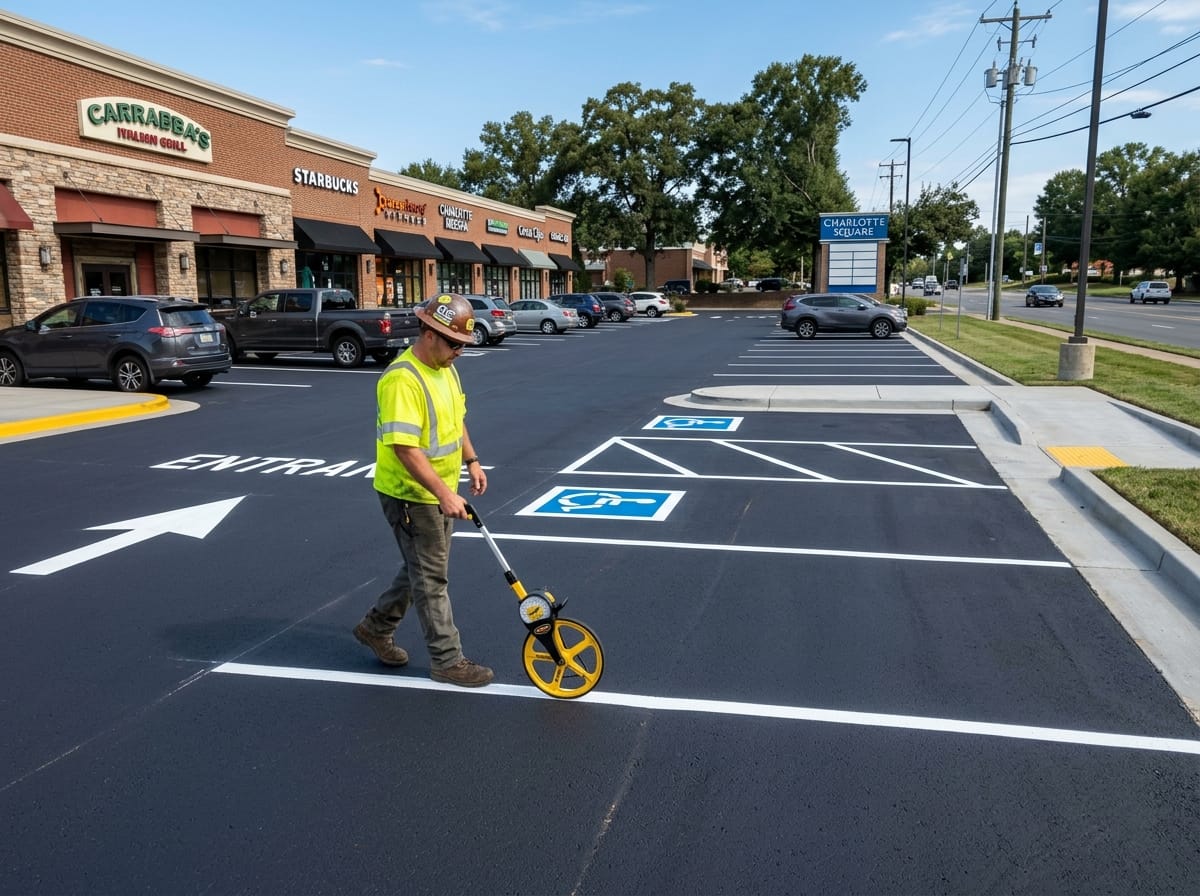
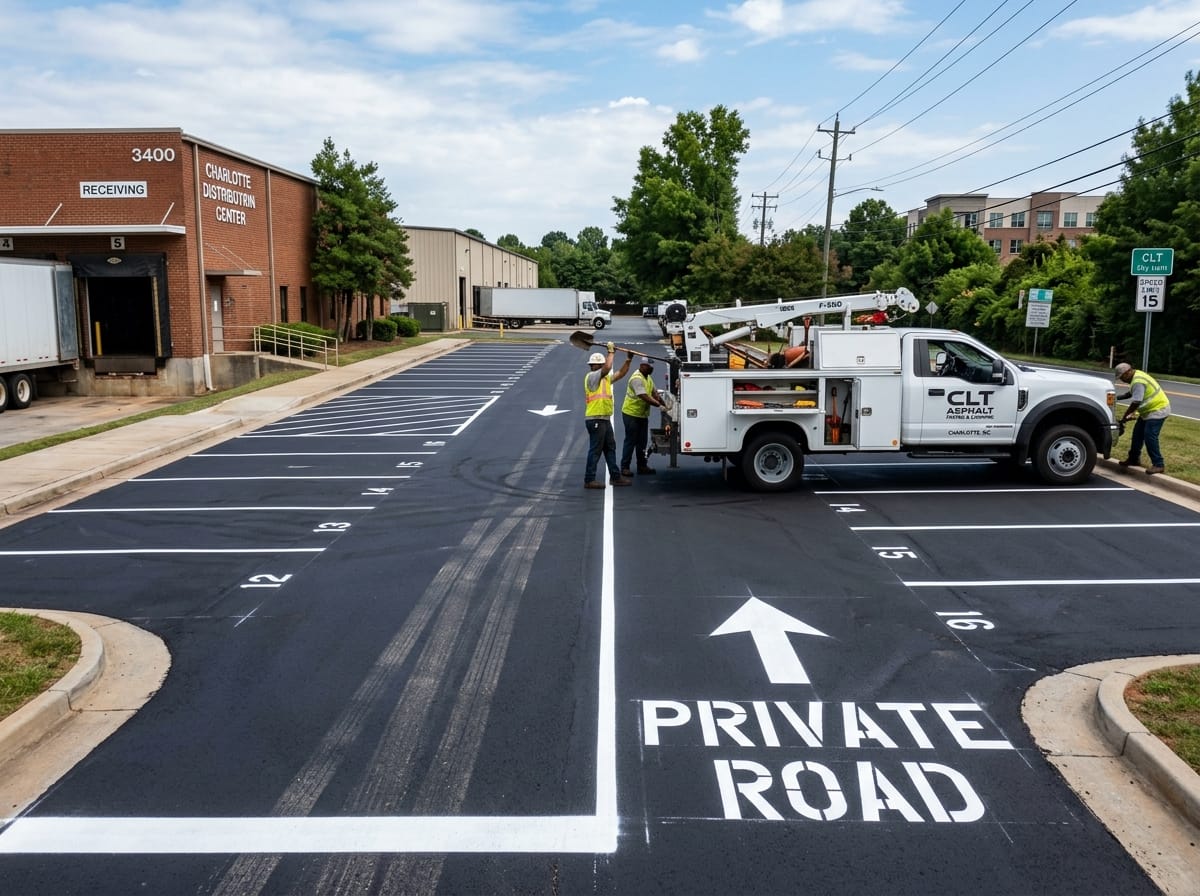
- Striping and markings: Parking lines, accessible stalls, fire lanes, and directional markings are part of a complete finish.
- Traffic control: A site that must stay partially open needs a more careful project plan.
RoadReady Asphalt Charlotte focuses on transparent recommendations so you understand what is necessary, what is optional, and what will actually improve the life of your lot.
Repair vs. Replacement
Choosing between repair and replacement starts with one question: is the problem limited to the surface, or is the structure underneath also failing? If the asphalt has a few isolated cracks or one damaged section, repair may be enough. If the lot has widespread alligator cracking, repeated potholes, sunken areas, or chronic drainage issues, replacement is usually the smarter long-term option.
Repairs work best when the foundation is still stable and the rest of the lot has a solid life left in it. In those cases, targeted fixes can smooth out trouble spots, improve safety, and buy time before a larger project is needed. A resurfacing approach can also make sense when the base is sound but the top layer is worn, faded, or rough.
Replacement becomes the better choice when patching starts to feel endless. If the same areas keep failing, the surface is telling you that the support below it needs to be corrected. A full paving project gives you a chance to rebuild the lot the right way, improve drainage, reset the layout, and create a cleaner result that supports the property as a whole.
Here is the practical way to think about it:
- Choose repair: when the damage is limited, the base is stable, and the rest of the lot is performing well.
- Choose resurfacing: when the surface is worn but the structure below it still has good support.
- Choose replacement: when the lot is failing in multiple areas, water keeps collecting, or the base no longer holds up.
If you are unsure which path fits your Charlotte property, RoadReady Asphalt Charlotte can evaluate the surface and help you choose the option that protects your budget and your long-term results.
How RoadReady Asphalt Charlotte Handles The Job
RoadReady Asphalt Charlotte approaches parking lot paving in Charlotte with a focus on durable results, clear communication, and quality control at every step. The process is designed to be practical for busy commercial properties and thorough enough to support long-term performance. That means the team pays attention to the details that matter: base support, drainage, material quality, compaction, edge treatment, and the final appearance of the lot.
The job typically starts with a close look at the site so the paving plan matches the real conditions on the ground. From there, the crew prepares the surface, corrects problem areas, and sets the foundation for the asphalt placement. During paving, the material is placed evenly and compacted with care so the finished surface is dense, smooth, and ready for daily traffic.
Quality control is not a separate step at the end. It happens throughout the project. That includes checking slopes, watching transitions, making sure water will move away from the surface, and confirming that edges and access points are finished cleanly. The result is a lot that does not just look complete. It works the way your property needs it to work.
When you hire a crew that values premium materials and meticulous craftsmanship, you get more than a fresh layer of asphalt. You get a parking lot built to last, with a finish that supports your business and reflects well on your property.
How To Protect Your New Lot
Once your parking lot paving is complete, simple upkeep helps protect the surface and keep it looking clean. Good maintenance does not have to be complicated. It starts with keeping water moving, watching for small cracks, and responding quickly before minor issues become bigger ones.
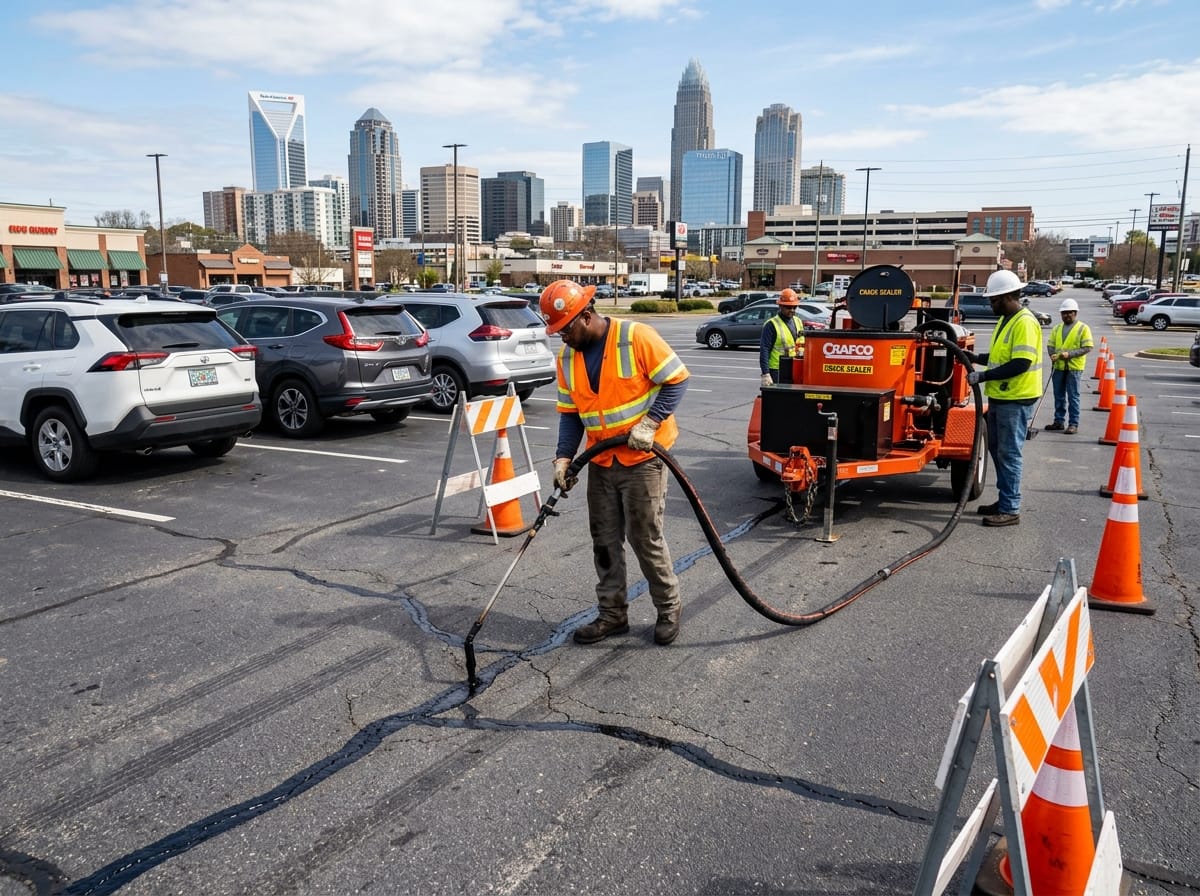
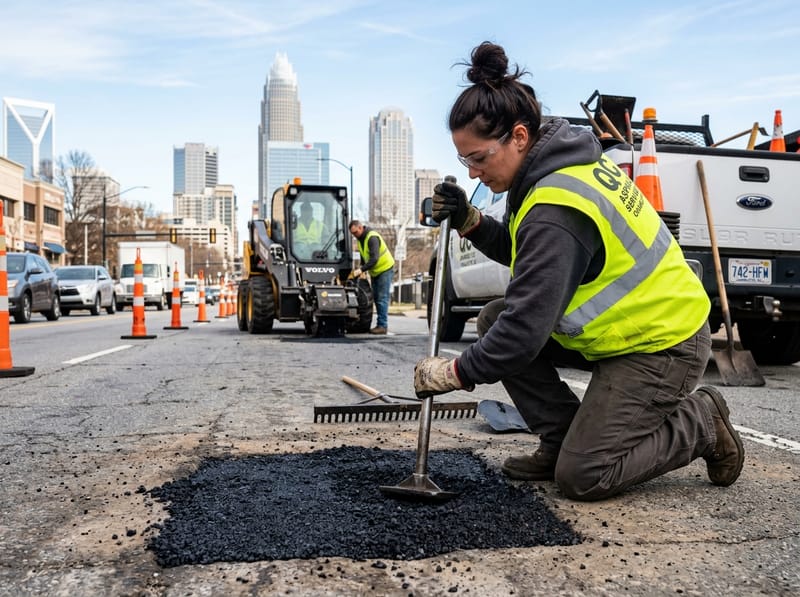
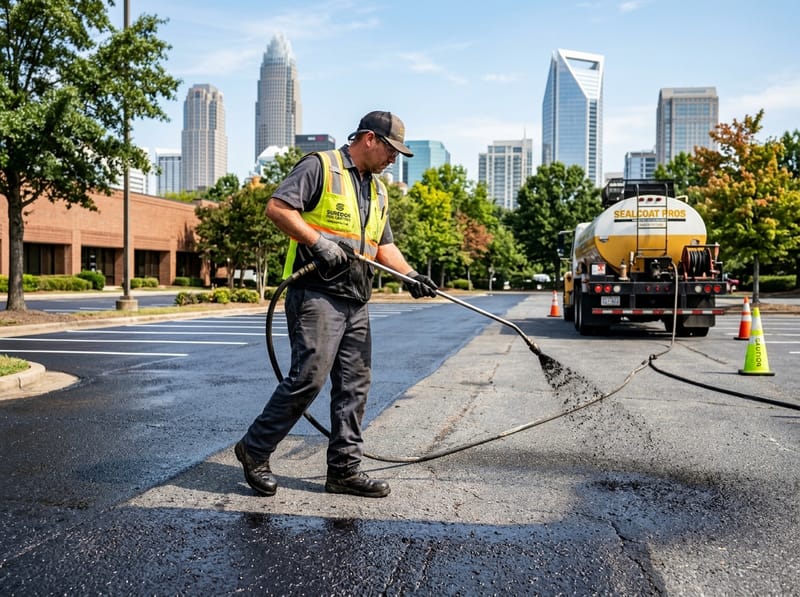
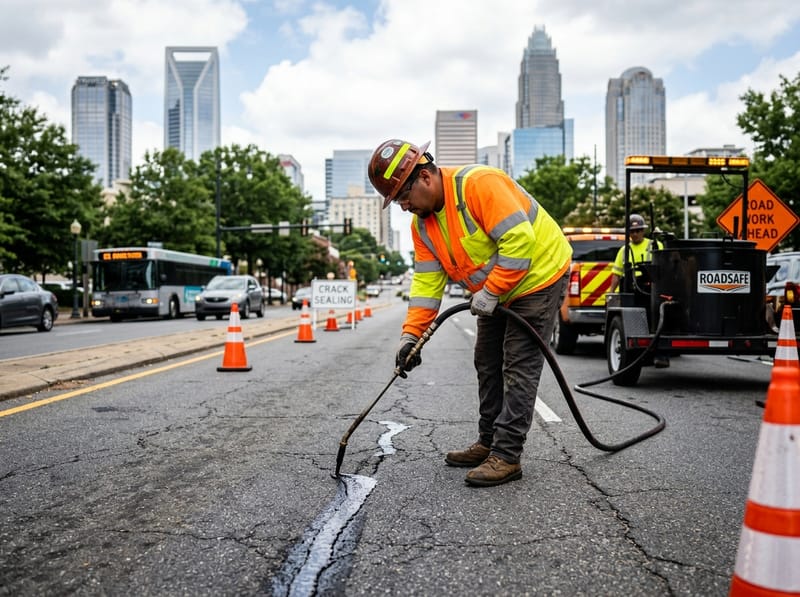
Routine care also helps preserve the look of the lot. Fresh striping keeps traffic organized. Regular cleaning removes debris that can trap moisture or hide damage. Prompt crack sealing and pothole repair keep the surface tight and reduce the chance that water will get into the base.
If you want the best return on your paving investment, treat the lot like part of your brand. Customers notice the condition of the pavement before they ever walk through the door. A clean, even, well-marked lot tells them your property is managed with care.
- Keep drainage clear: Make sure water can move away from the surface and out of low spots.
- Refresh striping when needed: Clear markings help the lot function safely and efficiently.
- Fix small damage early: Minor cracks and holes are easier to correct before they spread.
- Clean the surface regularly: Debris, oil, and standing grime can shorten pavement life.
- Monitor heavy-use areas: Entrance lanes, loading zones, and turns often show wear first.
With the right design, the right materials, and the right upkeep, your Charlotte parking lot can stay functional, attractive, and ready for business.